
Foreign Policy Lecture Series on Artificial Intelligence and the Rule of Law.

NIIA Posts Directory Foreign Policy Lecture Series on Artificial Intelligence and the Rule of Law. Artificial Intelligence, Global Governance and the Rule of Law Artificial Intelligence is transforming economies, societies and international relations. But as AI advances, important questions arise: Who should regulate it? How can countries protect data sovereignty? And how can global cooperation ensure that AI is developed and used responsibly? At its Foreign Policy Lecture Series, the Nigerian Institute of International Affairs (NIIA) explored these issues under the theme “Artificial Intelligence, Global Schisms and Limitations of the Rule of Law.” The discussion highlights the importance of international cooperation, effective regulation and greater investment in research and development to help countries like Nigeria participate meaningfully in the evolving AI landscape. As AI continues to reshape the world, how can Nigeria help shape the rules that govern it? Share your thoughts in the comments.
Your Research Could Contribute to Africa’s Global Conversation

NIIA Posts Directory Your Research Could Contribute to Africa’s Global Conversation Your Research Could Contribute to Africa’s Global Conversation Are you a scholar, researcher, practitioner, or policy expert working on international affairs? The Nigerian Institute of International Affairs (NIIA) invites submissions of original, unpublished manuscripts for forthcoming issues of the **Nigerian Journal of International Affairs (NJIA)**. The Journal welcomes rigorous theoretical, empirical, comparative, and interdisciplinary research addressing contemporary international developments, particularly studies connecting global debates with Nigerian and African perspectives. This is an opportunity to contribute to meaningful academic and policy discussions on the issues shaping our world. Review the submission requirements and manuscript guidelines on the NIIA Call for Paper Manuscript
Sudan’s Conflict: Understanding the Regional Implication
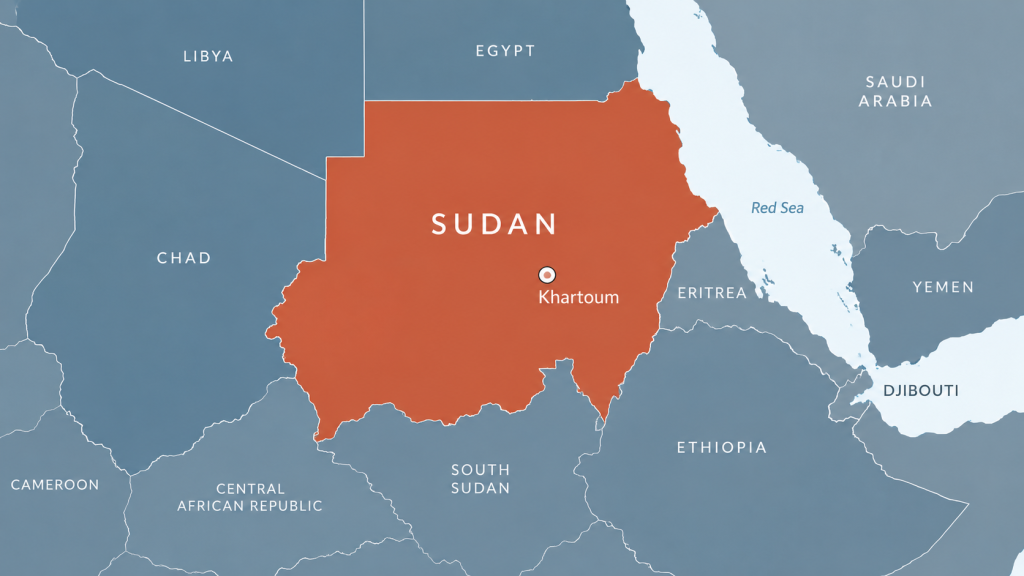
NIIA Posts Directory Sudan’s Conflict: Understanding the Regional Implication Sudan’s Conflict: Understanding the Regional Implication The ongoing conflict in Sudan raises important questions about peace, regional stability, humanitarian security, and the future of international relations in Africa. As the situation continues to draw international attention, understanding the conflict and its wider implications is essential for informed policy discussions and effective diplomatic engagement. Through its Gen. Leo Irabor Early Warning Systems Centre (GLIC), the Nigerian Institute of International Affairs (NIIA) contributes to critical analysis of emerging developments and their implications for Nigeria, Africa, and the international community. Read the Commentary
Advancing Menstrual Health Management in Nigeria
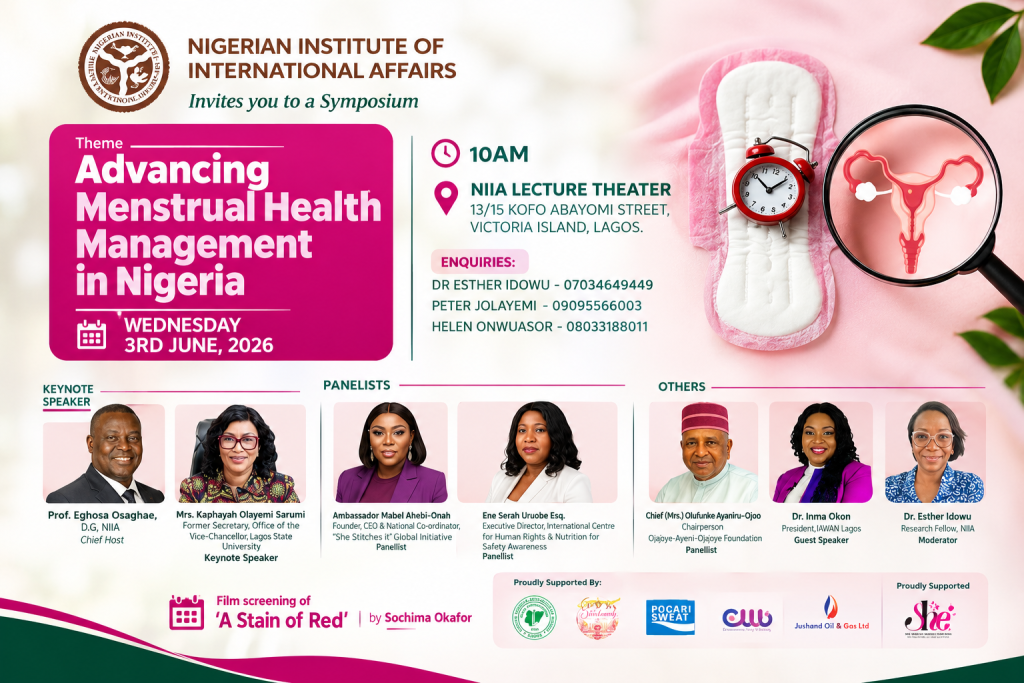
NIIA Posts Directory Advancing Menstrual Health Management in Nigeria Advancing Menstrual Health Management in Nigeria The Nigerian Institute of International Affairs (NIIA) hosted a symposium on “Advancing Menstrual Health Management in Nigeria,” bringing attention to the importance of menstrual health, awareness, dignity, and inclusion for women and girls. The event brought together distinguished speakers, researchers, and advocates to highlight the need for greater awareness, informed dialogue, and collective action towards improving menstrual health management in Nigeria. Through conversations like these, we can encourage stronger advocacy, promote understanding, and support efforts to ensure that menstrual health receives the attention it deserves. At NIIA, we remain committed to meaningful dialogue on issues that contribute to a more informed, inclusive, and equitable society. Check out the Full Details
Lassa Fever in Nigeria: A Growing Public Health Concern
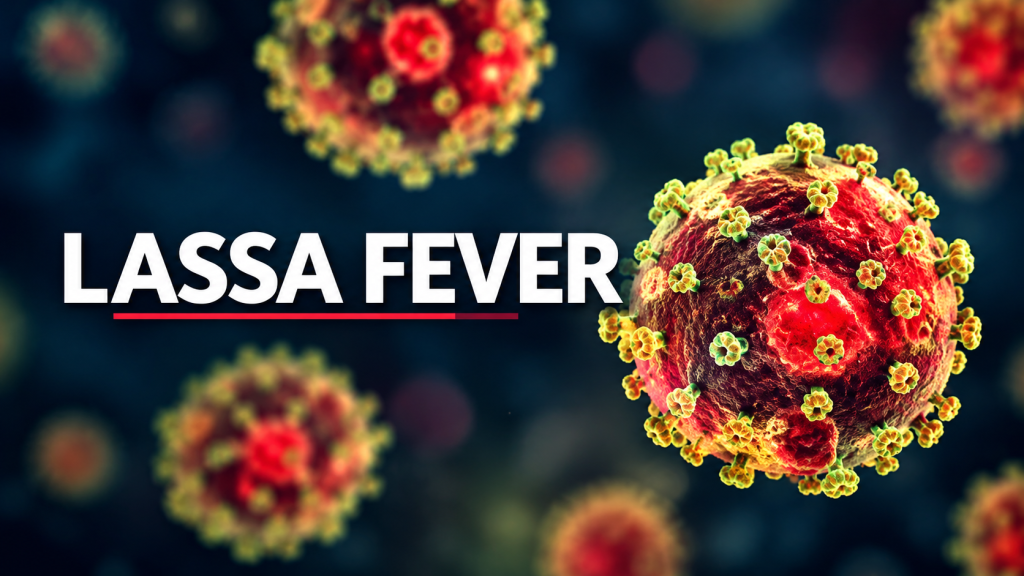
NIIA Posts Directory Lassa Fever in Nigeria: A Growing Public Health Concern Lassa Fever in Nigeria: A Growing Public Health Concern Nigeria’s 2026 Lassa fever outbreak underscores the urgent need for stronger public health preparedness, early detection, and sustained community awareness. According to the Early Warning Monitor commentary by the Nigerian Institute of International Affairs (NIIA), as of 28 June 2026, Nigeria had recorded 922 confirmed cases and 221 deaths across 23 states and 111 Local Government Areas. The report highlights the importance of addressing the environmental and healthcare challenges that contribute to the spread of the disease. What can be done? Maintain clean surroundings and reduce rodent access to homes. Store food in tightly sealed containers. Practise good hygiene and wash hands regularly. Seek prompt medical attention when symptoms arise, especially persistent fever that does not improve with treatment. Strengthen public health surveillance, community education, and healthcare preparedness. Combating Lassa fever requires coordinated action from government institutions, healthcare professionals, communities, and citizens. Early detection, effective prevention, and sustained public awareness remain essential to reducing infections and saving lives. Read the full NIIA commentary for an in-depth analysis of the 2026 outbreak and recommendations for a stronger response.