
About Us
Overview
The General Leo Irabor Early Warning Systems Centre (GLIC) is a strategic initiative of the Nigerian Institute of International Affairs (NIIA) that is designed to provide timely information, analysis of imminent threats facing Nigeria. Early Warning Systems (EWS) play a crucial role in crisis prevention, offering data collection, verification, and risk analysis to identify trends, patterns, and dynamics of conflicts or crises.
The Centre operates within the framework of the NIIA serving as a vital mechanism for detecting, preventing, and mitigating conflicts and socio-political instabilities. The centre is dedicated to providing continuous data gathering and assessment of potential risks to Nigeria, West Africa, Africa, and the broader global community. The centre supports the Federal Government of Nigeria by providing timely information, analysis, and response options to imminent threats against the Nigerian state and its valuable resources. Data collection, verification, and risk analysis form the core of early warning efforts, aiming to identify conflict or crisis trends and ensure preparedness.
Objectives
The primary objective
of the General Leo Irabor Early Warning Centre is to improve Nigeria’s capacity to anticipate and mitigate risk and disaster confronting the country.
Specifically, the Centre will:
Identify, monitor and provide early warnings for security, governance, environmental, and public health emergency risks.
- provide timely and accurate information to government and other stakeholders of likely threats and hazards from West African and Africa.
- foster collaboration with stakeholders including the military, police, security agencies, government agencies, non-governmental organisations, academia, civil society organisations and the media as target audiences to share reliable data.
The vision extends to identifying and analyzing threats and crises, including but not limited to humanitarian, economic and other impending disasters or distruptive tendencies. This prepares the Nigerian Government and the International Community for risks and informs decision-making, encouraging timely responses to prevent the outbreak or escalation of violence.
The initiative serves as both a municipal and global monitoring mechanism, enabling communities and multiple levels of government to seek safety or prevent the eruption of violence or instability.
Thematic and Regional Focus
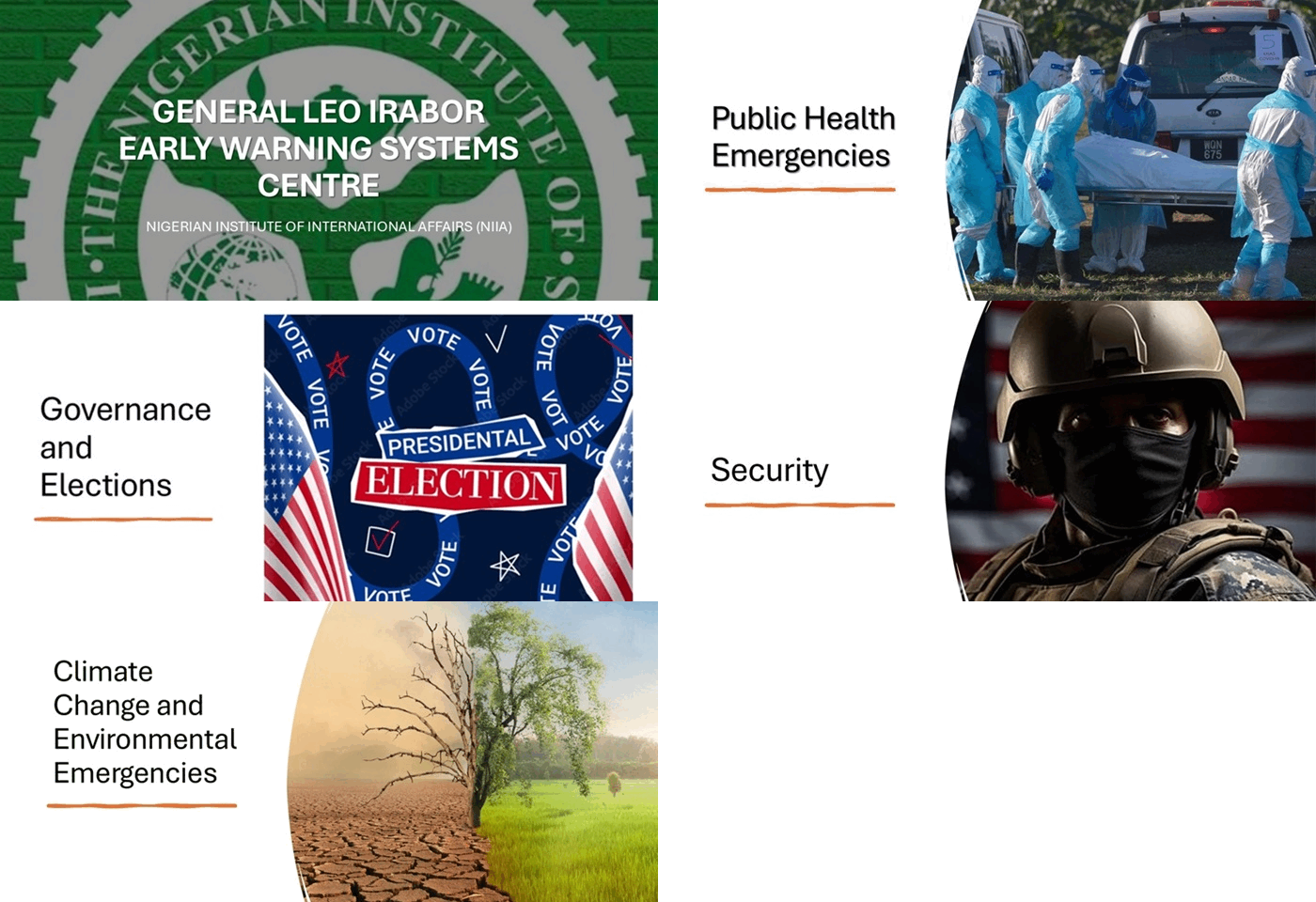
The Centre’s thematic focus for data collection and analysis are on four major themes:
International Public Health – Monitoring pandemics, disease outbreaks, and global health risks.
Governance and Elections – Assessing democratic processes and governance
stability.
National and International Security – Evaluating military conflicts, terrorism, and geopolitical threats.
Climate Change and Environmental Security – Analyzing the impact of environmental issues on national and regional stability.
For regional focus, the centre operates on a concentric model of analysis, focusing on Nigeria first, followed by West Africa, Africa, and then global threat indicators. This structure allows for a comprehensive evaluation of socio-political risks and ensures that appropriate preventive measures are taken.
The General Leo Irabor Early Warning Centre stands as a beacon of preparedness, providing critical insights and facilitating proactive measures to safeguard Nigeria and contribute to global
stability by offering a proactive and systematic approach to conflict prevention, the General Leo Irabor Early Warning Centre is a cornerstone of Nigeria’s security and stability strategy, ensuring that risks are detected early and mitigated effectively.
Our Resources
GLIC REPORT 4th September 2026
GLIC REPORT (28TH AUGUST 2026)
GLIC Weekly Report – November 21st, 2025
GLIC Weekly Report November 14th..
GLIC Weekly Report November 9th
GLIC Weekly Report October 31st..
GLIC Weekly Report October 24th-1
GLIC Weekly Report October 17th..
GLIC Weekly Report October 10th
GLIC Weekly Report October 3rd
GLIC Weekly Report September 26th
GLIC Weekly Report September 19th
GLIC Weekly Report September 12th
GLIC Weekly Report September 5th
GLIC Weekly Report August 29th
GLIC Weekly Report August 15th, 2025.
GLIC Weekly Report August 8th, 2025.
GLIC Weekly Report August 1st, 2025.
GLIC Weekly Report June 27th 2025
GLIC Weekly Report June 13th 2025
GLIC Weekly Report May 9th docx
GLIC Weekly Report May 2nd 2025
GLIC Weekly Report February 28th
GLIC Weekly Report February 21

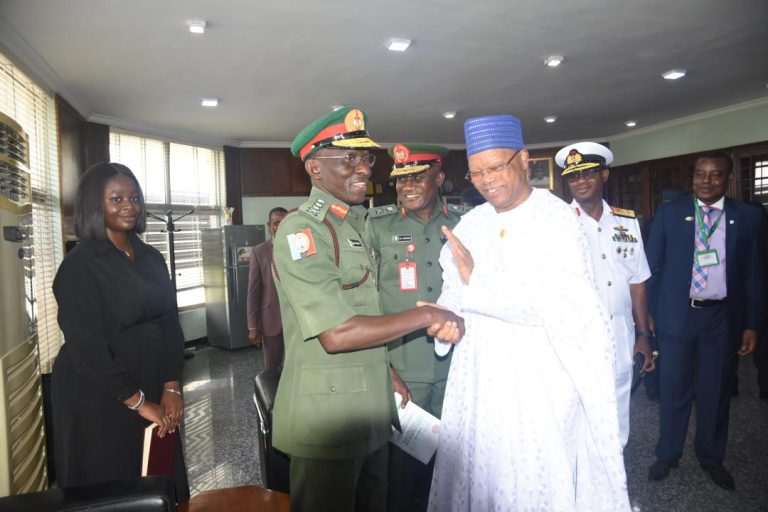


General Leo Irabor Early Warning Systems Centre
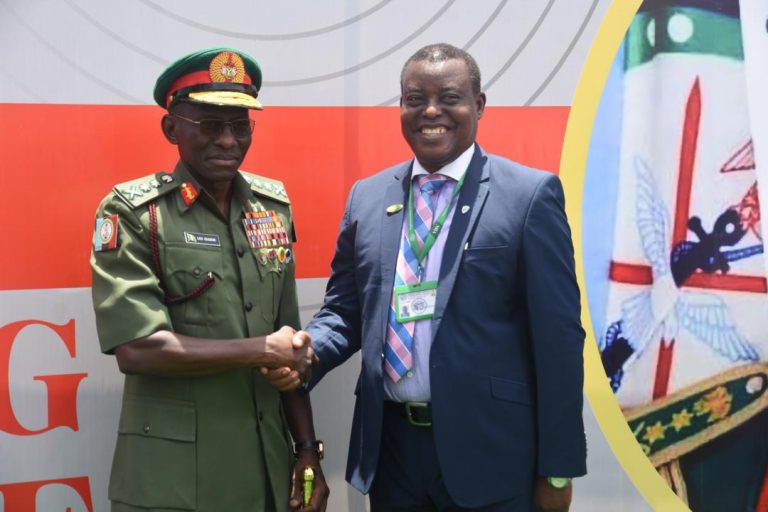
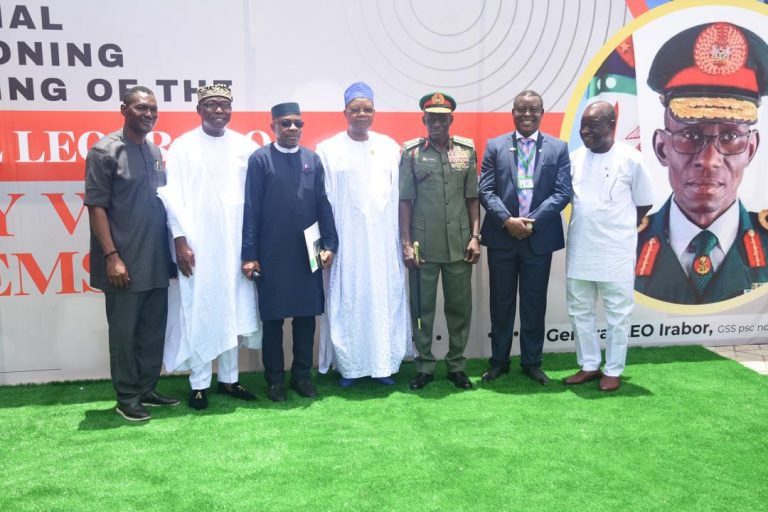
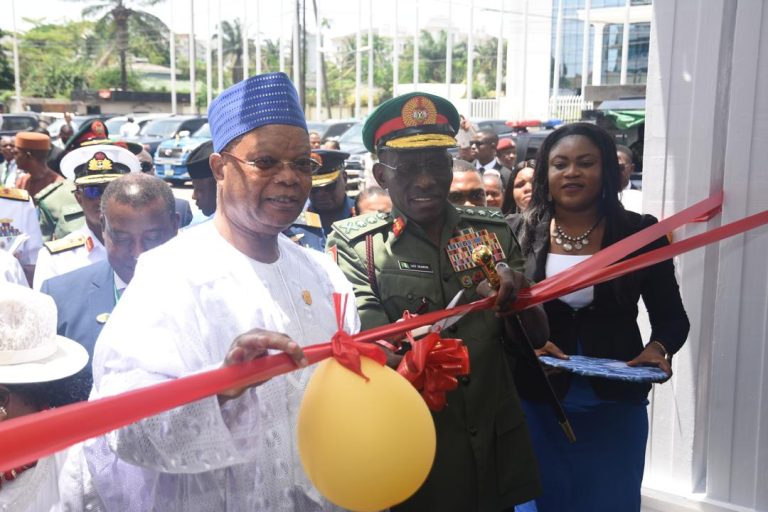
April 25th, 2023 will go down in history as a watershed point in international politics, particularly in Nigeria. The Nigerian Institute of International Affairs (NIIA) celebrated the formal opening and commissioning of the General Leo Irabor Early Warning Systems Centre on this historic day.
Contact Info
Phone Number
+234 803 238 8099
glic@niia.gov.ng